Sweg Motor Sweg Motor

How to Read a DC Motor Performance Curve for Best Results?

Time:2026-08-31 Author:Henry
0%

Understanding "how to read a DC motor performance curve" is crucial for optimizing motor applications. DC motors are widely used in various industries. According to a recent industry report, over 60% of machines rely on electric motors for operation. Knowing how to interpret their performance curves helps in making informed decisions.

The performance curve displays various parameters, such as torque and speed. These metrics influence the overall efficiency of motor systems. However, many engineers overlook these details. A misinterpretation can lead to suboptimal performance. An incorrect motor choice may result in increased energy costs.

Moreover, complexities arise in applications with varying load conditions. Many users find it challenging to align motor specifications with real-world requirements. Investigating industry reports can provide valuable insights. Access to reliable data helps improve understanding. The nuances of performance curves cannot be underestimated. Developing a keen sense of how to read a DC motor performance curve will lead to better performance and energy efficiency.
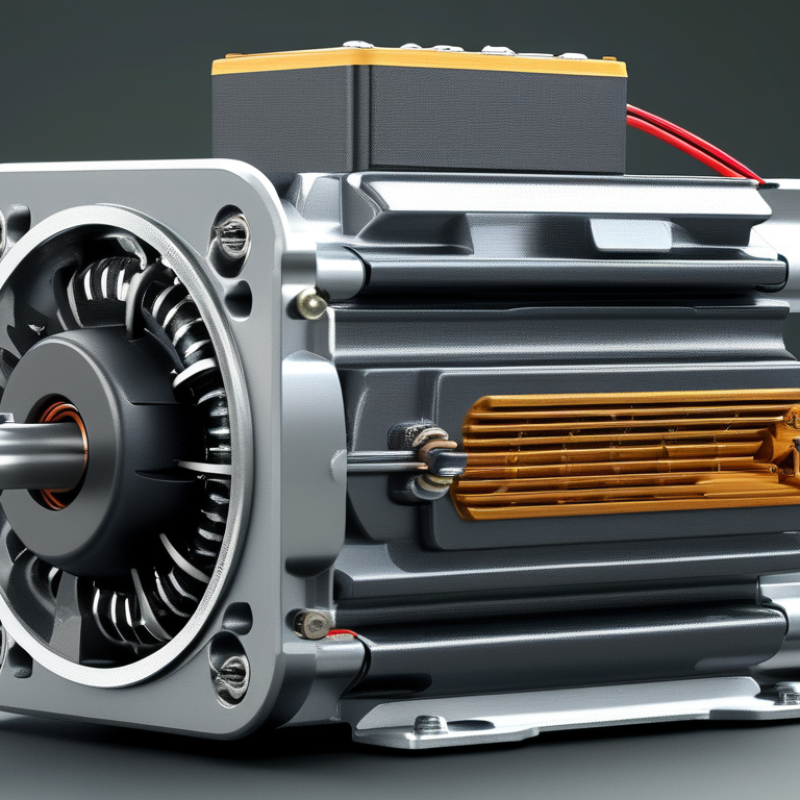
How to Read a DC Motor Performance Curve for Best Results?

Understanding the Basics of DC Motor Performance Curves

Understanding DC motor performance curves is crucial for optimizing their use. These curves typically display the relationship between key parameters like torque, speed, and power. For instance, as speed increases, torque tends to decrease. This inverse relationship can be surprising, especially for beginners. It’s important to grasp this concept fully to avoid miscalculating a motor's capabilities.

When examining a performance curve, focus on the specific values. Look for the peak efficiency point. Here, the motor operates at its best, balancing speed and torque effectively. It's not uncommon for users to mistakenly assume that maximum speed or torque indicates the best performance. Reflecting on your application needs can clarify this. Evaluating the entire curve helps in making informed decisions about motor selection for specific tasks, ensuring longevity and reliability.

Exploration of these curves can reveal limitations too. No motor can perform optimally under all conditions. Sometimes, practical applications might reveal unexpected inefficiencies. Regularly reviewing your motor choices in relation to their performance curves can aid in improving operational outcomes. This iterative process fosters a deeper understanding and enhances overall performance in real-world applications.

DC Motor Performance Curve

Key Parameters Illustrated on a DC Motor Performance Curve

Understanding a DC motor performance curve can greatly enhance your selection and usage of motors. When you look at this curve, focus on key parameters like torque, speed, and efficiency. Torque indicates the motor's ability to perform work. A higher torque at low speeds is often needed for applications like lifting or driving heavy loads. On the other hand, the speed parameter shows how fast the motor can operate without losing efficiency.

Another essential aspect is the efficiency curve. This shows how much input power is converted into useful work. A motor that operates efficiently at your desired load is crucial. Analyzing the efficiency curve can reveal areas for improvement or indicate if the motor is over or under-utilized.

Sometimes, you may find that ideal operating points are not where you expect. Factors like heat generation and wear can alter performance over time. A regular review of the performance curve can provide insights into maintenance needs and help prolong motor life. Reflecting on these details ensures that you make informed decisions and optimize motor performance effectively.

Interpreting Torque and Speed Relationship in DC Motors

Understanding the relationship between torque and speed is crucial when analyzing DC motor performance curves. In essence, torque measures the rotational force, while speed indicates how fast the motor can turn. These two parameters are inversely related, meaning that as one increases, the other typically decreases. This relationship can be visualized on the motor's performance curve, often depicted as a graph with speed on one axis and torque on the other.

Data from industry reports show that a typical small DC motor produces peak torque at lower speeds, often within a range of 1,000 to 5,000 RPM. For most applications, this characteristic dictates operational limits. For instance, motors used in robotics usually require high torque to overcome inertia, especially during startup. Conversely, fans and pumps may run more efficiently at higher speeds, sacrificing torque for fluid flow. This duality highlights an essential consideration: the optimal use of a DC motor significantly depends on its intended application and load characteristics.

When interpreting a performance curve, it’s also critical to recognize specific losses, including friction and heat. These losses can vary based on design and usage conditions. Additionally, manufacturers often provide a “nominal” curve, which might not account for factors like wear over time. This makes understanding the practical implications of the curves necessary, allowing engineers to choose the right motor for their specific situation. Thus, continual assessment of torque and speed dynamics is essential for maximizing performance and efficiency in DC motors.

Analyzing Efficiency and Power Output on Performance Curves

Understanding the efficiency and power output on DC motor performance curves is crucial for optimizing applications. Performance curves typically display the relationship between torque, efficiency, and speed. For instance, a well-characterized motor may achieve around 80% efficiency at a specific operating point while demonstrating peak power output at a slightly different speed. Ignoring these details can lead to underperformance or system failures.

Data gathered from industry reports reveals that many motors operate below their optimal efficiency levels due to poor selection or operational practices. For example, a significant number of users run motors at speeds far from their peak efficiency zones. This misalignment can result in energy waste and increased heat generation. Observing these curves enables users to adjust their settings to match the motor's favorable operational conditions.

Furthermore, understanding how to read these curves helps identify potential issues. If a performance curve indicates a steep drop in efficiency after a specific torque, it's essential to reassess the load applied. Continuous operation in this range can accelerate wear and reduce overall reliability. Ultimately, investing time in analyzing performance curves leads to better operational decisions and increased longevity for the motor system.

Identifying Optimal Operating Points for DC Motors

Understanding the optimal operating points for DC motors is crucial for efficient performance. A DC motor performance curve provides important data, such as torque, speed, and power. By analyzing this curve, you can identify the best operating conditions. For instance, the peak efficiency point indicates where the motor runs most effectively. Operating at this point reduces energy waste and increases lifespan.

It's also essential to note that factors like load conditions and ambient temperature can affect performance. A motor may perform well under specific test conditions but struggle in real-world applications. Therefore, variability needs careful consideration.

Developing a deeper understanding of these curves can enhance your ability to make informed choices. This knowledge can help avoid common pitfalls, such as overloading or underutilizing the motor. Continuous learning about motor dynamics is beneficial for both hobbyists and professionals alike. Actual performance may differ from theoretical expectations, prompting further analysis and adjustments.

FAQS

: What is the importance of understanding DC motor performance curves?

: Understanding these curves helps optimize motor use by illustrating the relationship between torque, speed, and power.

Why is torque inversely related to speed in DC motors?

As a motor's speed increases, its torque usually decreases. This relationship is critical to grasp for effective motor usage.

What should users look for on a performance curve?

Users should identify the peak efficiency point, where the motor balances speed and torque most effectively.

How can misinterpretation of data affect motor performance?

Misunderstanding which metrics denote peak performance can lead to poor motor selection and application inefficiencies.

What types of losses should be considered when analyzing performance curves?

Key losses include friction and heat, which can impact efficiency and aren't always reflected in nominal curves.

How can running a motor far from its optimal efficiency zone affect it?

Operating outside the optimal zone can result in energy waste, increased heat, and potential system failures.

Why is it necessary to continually assess torque and speed dynamics?

Regular assessment allows users to maximize performance and efficiency, ensuring longevity for the motor system.

How do specific applications dictate the optimal use of a DC motor?

Applications like robotics require high torque for startup, while fans may need higher speeds for efficiency, illustrating diverse needs.

What could indicate a problem with a motor's load?

A steep drop in efficiency on the curve after a certain torque suggests the load might exceed optimal operational limits.

What benefit does analyzing performance curves provide to users?

It leads to informed operational decisions, improving motor reliability and longevity in various applications.

Conclusion

Understanding how to read a DC motor performance curve is essential for optimizing motor selection and application. The performance curve illustrates key parameters such as torque, speed, efficiency, and power output. By grasping the basics of these curves, users can identify the relationship between torque and speed, which is crucial for determining how a motor will perform under different conditions.

Analyzing the efficiency and power output represented on the curve allows for better decision-making regarding the optimal operating points for various applications. By pinpointing these optimal points, users can ensure that their DC motors operate effectively within their desired performance range, ultimately leading to improved functionality and energy savings. In summary, mastering how to read a DC motor performance curve equips engineers and technicians with the knowledge needed to select the right motor for their specific needs.

Henry

Henry

Henry is a dedicated marketing professional with a profound expertise in the company's offerings. With years of experience in the industry, he possesses an impressive understanding of the market dynamics and consumer behaviors that drive success. Henry is committed to sharing his insights through......