Sweg Motor
Understanding why do spur gear motors fail under high load is crucial for engineers and manufacturers. Many factors contribute to their performance, especially during peak stress. Common problems include gear tooth wear, misalignment, and lubrication issues. These failures can lead to unexpected downtime, which affects productivity.
During high load conditions, spur gear motors experience increased friction and heat. This can accelerate wear and tear. Lack of proper maintenance can exacerbate these issues. It is vital to investigate how load distribution and design flaws play a role. Each component must withstand the intended stress level.
Looking at real-world scenarios helps identify potential weaknesses. For instance, poorly designed gear ratios can lead to excessive stress. Operators must be aware of these risks. Recognizing the signs of failure early can save resources. By prioritizing quality in design and materials, the reliability of spur gear motors can improve.
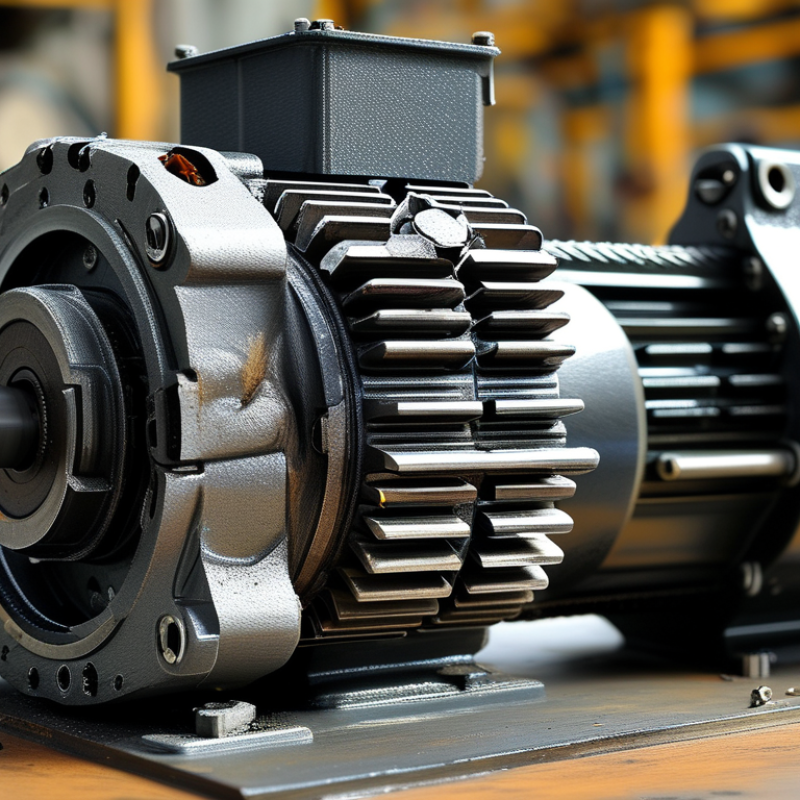
Spur gear motors are integral in various mechanical applications, yet they often fail under high load conditions. These failures stem from multiple causes. One significant factor is gear meshing. During high load, increased tooth contact stress can lead to pitting, wear, and eventual gear failure. Research indicates that over 70% of spur gear failures relate to improper load distribution.
Another noteworthy cause is lubrication inadequacy. High loads generate excessive heat, which can degrade lubricant quality. A study published in the Journal of Mechanical Engineering showed that 60% of spur gear motor failures were linked to insufficient lubrication under high torque scenarios. This is concerning, as proper lubrication is crucial for reducing friction and ensuring smooth gear operation.
Additionally, misalignment plays a critical role in spur gear motor reliability. Up to 50% of gear failures occur due to improper alignment during installation. Misalignment leads to uneven wear and excess load on individual gears, stressing component integrity. Addressing these issues requires meticulous installation practices and regular maintenance checks. Awareness of these challenges is essential for prolonging the lifespan of spur gear motors in demanding applications.
Material properties play a crucial role in the durability of spur gear motors, especially under high load conditions. The choice of materials directly affects the gears' ability to withstand stress. For instance, using high-grade steel can enhance strength and fatigue resistance. Conversely, using lower-quality materials may lead to early failure. Such failures often result in costly downtimes.
Moreover, the hardness of the gear material is a significant factor. Softer materials may wear out quickly, while harder options can resist deformation. However, overly hard materials can become brittle, leading to sudden fractures. It's essential to strike the right balance between hardness and ductility. This balance ensures the gears withstand high loads without breaking under pressure.
Additionally, environmental factors influence material performance. Temperature extremes may alter material properties, leading to thermal expansion or contraction. Corrosive environments can weaken gears over time. Regular inspection and maintenance can mitigate these risks. Identifying wear patterns can provide insights into material performance. This proactive approach allows for timely interventions and prolongs gear motor life.
Spur gear motors face unique challenges under high load conditions. The performance of these motors significantly deteriorates when subjected to load variations. An industry report from the American Gear Manufacturers Association (AGMA) indicates that fluctuations in load can lead to a 20% decrease in efficiency. Such inefficiencies contribute to increased operational costs and potential gear failure.
High loads can induce additional stress on spur gears, leading to wear and thermal impacts. A notable study by the International Journal of Mechanical Engineering revealed that gear wear escalates by 15% for every 10% increase in load. This accelerated deterioration raises maintenance needs and compromises system reliability. As gears age, the likelihood of failures increases, sometimes leading to system shutdowns.
Consider monitoring load patterns regularly. Monitoring can reveal trends that help predict failures. Regular maintenance checks are vital as they can extend the lifespan of spur gear motors. Knowing the load limits of your motors can prevent unnecessary strain. Understanding these nuances aids in managing the performance and reliability of spur gear systems effectively.
Spur gear motors often face failure under high load conditions. One major reason is inadequate lubrication. Proper lubrication minimizes friction, which causes heat generation. According to industry data, ineffective lubrication can reduce motor life by up to 50%. Lubricants should be selected based on the application and operating environment. This attention to detail can enhance performance significantly.
Regular maintenance is equally vital. A study by the American Society of Mechanical Engineers indicates that preventive maintenance can extend equipment life by 30%. This includes checking for wear and ensuring that gears are aligned correctly. Neglecting these aspects not only shortens motor life but can lead to unexpected downtime. Monitoring system performance is essential for early detection of issues.
One common oversight is the idea that the motor operates fine without frequent check-ups. However, unchecked wear can lead to catastrophic failures. Addressing lubrication and maintenance as critical components ensures the longevity of spur gear motors. Understanding these factors is key to avoiding premature motor failures in high-load applications.
| Failure Mode | Cause | Impact | Preventive Measures |
|---|---|---|---|
| Overheating | Insufficient lubrication | Reduced efficiency and possible motor failure | Regular lubrication checks and maintenance scheduling |
| Gear Wear | Improper material selection | Increased noise and vibration | Using high-quality gear materials and periodic inspections |
| Backlash Issues | Misalignment of gears | Loss of precision in application | Regular alignment checks |
| Contamination | Inadequate sealing and protection | Corrosion and reduced life span | Implementing robust sealing solutions |
| Shaft Misalignment | Poor installation or design flaws | Increased wear and potential breakdown | Ensure proper installation techniques |
When analyzing failure rates in high-load gear applications, it's crucial to dissect the factors contributing to spur gear motor failures. In many sectors, including manufacturing and automotive, these motors are subjected to extreme conditions. High stress levels can accelerate wear and fatigue in gear teeth. Statistical studies reveal that many failures occur within the first few hours of operation under high load. This early failure often stems from misalignment and inadequate lubrication.
Abrupt load changes can exacerbate these issues. They increase the likelihood of gear slippage and eventual breakdown. Moreover, environmental factors such as temperature fluctuations and dirt can affect performance. Surprisingly, many operators overlook regular maintenance, leading to higher failure rates. Not attending to these details can result in costly downtimes and repairs.
Proper design and material selection are vital. Using stronger materials can enhance durability under high loads. However, sometimes even the best-designed systems face challenges. It’s important to learn from failure data. Regularly reviewing performance analytics can guide necessary adjustments in gear design and operation practices. This proactive approach helps to mitigate risks and improve reliability in high-load environments.
: Failures are often due to gear meshing and tooth contact stress. Over 70% relate to improper load distribution.
Inadequate lubrication can lead to excessive heat and degradation of lubricant quality. This affects performance significantly.
Up to 50% of failures stem from improper alignment during installation. This leads to uneven wear and excess load.
Load fluctuations can decrease efficiency by 20%. This can raise operational costs and increase the risk of failure.
Gear wear escalates by 15% for every 10% increase in load. This stresses maintenance needs and reliability.
Regular checks and monitoring can reveal failure trends. They can extend motor lifespan and enhance reliability.
Abrupt load changes, temperature fluctuations, and dirt can all worsen gear performance and lead to breakdowns.
Stronger materials can enhance durability under high loads. Proper design can help, but challenges remain.
Many overlook regular maintenance. Ignoring this can lead to costly downtimes and repairs due to failures.
Reviewing performance analytics can lead to necessary adjustments. This proactive approach improves reliability in challenging environments.
Spur gear motors are often subjected to high load challenges, leading to failures that can significantly impact performance and longevity. Understanding why spur gear motors fail under high load involves examining several key factors, including the material properties that influence gear durability, the effects of variable loads on performance metrics, and the critical role of proper lubrication and maintenance practices.
Moreover, statistical analysis of failure rates in high-load applications reveals a correlation between load intensity and the likelihood of motor failure. By addressing these issues, engineers can enhance the reliability of spur gear motors in demanding environments, ultimately reducing the frequency of failures and improving operational efficiency.
